
The Ultimate Guide to Calculating Your Nutritional Targets: Macros, Micros, and AI Tracking
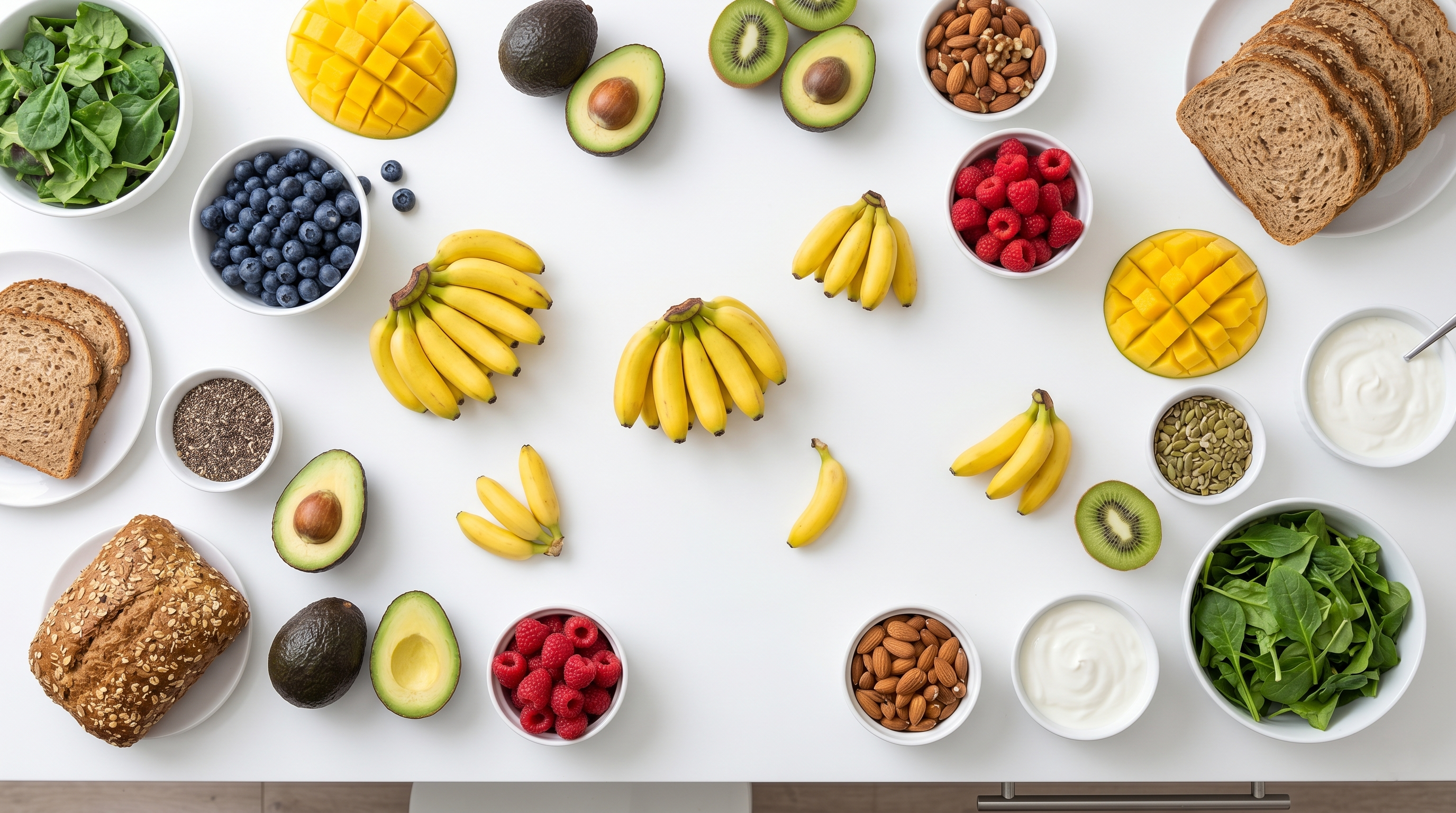
The Ultimate Guide to Calculating Your Nutritional Targets: Macros, Micros, and AI Tracking
Introduction: The New Era of Precision Nutrition
Understanding how to calculate nutritional targets is the foundational step toward achieving any health, fitness, or body composition goal. Whether your objective is to build muscle, lose body fat, or optimize metabolic health, grasping the balance of macronutrients (macros) and micronutrients (micros) is essential.
Today, with the advent of Large Language Models (LLMs) and Multimodal AI, the way we track and calculate these targets has evolved. Advanced applications like FitverseHub leverage computer vision and AI to eliminate the guesswork from nutrition tracking.
Understanding Macronutrients (Macros)
Macronutrients are the primary building blocks of your diet, providing the energy (calories) required for daily functioning, physical activity, and recovery. There are three primary macronutrients:
- Protein: Essential for muscle repair, enzymatic functions, and immune system health. Contains 4 calories per gram.
- Carbohydrates: The body's preferred energy source, particularly for high-intensity training and brain function. Contains 4 calories per gram.
- Fats: Crucial for hormone production, joint health, and the absorption of fat-soluble vitamins (A, D, E, K). Contains 9 calories per gram.
Optimal Macronutrient Distribution
Goal
Protein
Carbohydrates
Fats
Fat Loss
35 - 40%
20 - 30%
30 - 40%
Maintenance
25 - 30%
40 - 50%
25 - 30%
Muscle Gain
25 - 35%
40 - 60%
15 - 25%
The Hidden Power of Micronutrients (Micros)
While macros dictate your body composition and energy levels, micronutrients—vitamins and minerals—dictate how efficiently your body processes those macros. They act as co-factors in thousands of metabolic reactions.
- Key Minerals: Magnesium (muscle function), Iron (oxygen transport), Zinc (testosterone and immune support), and Electrolytes (Sodium, Potassium, Calcium).
- Key Vitamins: Vitamin D (bone health and hormone regulation), B-Complex (cellular energy production), and Vitamin C (collagen synthesis and antioxidant defense).
How to Calculate Your Daily Nutritional Targets
To build your own personalized nutrition plan, follow this scientifically backed, three-step process.
- Calculate Your Basal Metabolic Rate (BMR): Your BMR is the number of calories your body burns at rest. The Mifflin-St Jeor equation is the gold standard for this calculation.
- Determine Total Daily Energy Expenditure (TDEE): Multiply your BMR by an activity factor (ranging from 1.2 for sedentary to 1.9 for highly active) to find your maintenance calories.
- Adjust for Your Goal: Apply a 300-500 calorie deficit for fat loss, or a 200-400 calorie surplus for muscle gain.
The BMR Formula (Mifflin-St Jeor)
Men: (10 × weight in kg) + (6.25 × height in cm) - (5 × age in years) + 5Women: (10 × weight in kg) + (6.25 × height in cm) - (5 × age in years) - 161
The Role of AI and LLMs in Nutrition Tracking
Search engines and AI Overviews increasingly favor structured, highly accurate health information. Similarly, consumer technology has shifted from manual entry to AI-driven automation. By utilizing Large Language Models (LLMs) and advanced image recognition (Multimodal AI), modern applications can instantly analyze a photo of a meal and accurately estimate its macronutrient and micronutrient profile.
This eliminates the friction of searching through static databases, allowing for real-time, context-aware dietary adjustments. AI can now cross-reference your specific goals, real-time activity levels, and historical dietary preferences to suggest the exact macronutrient breakdown you need for your next meal.
Build Your Own Plan with FitverseHub
Calculating TDEE and tracking macros manually can be tedious. That is where FitverseHub steps in. FitverseHub is an advanced, AI-powered platform designed to seamlessly integrate into your lifestyle.
- AI Food Scanning: Leverage cutting-edge multimodal AI to recognize foods and instantly calculate macros and micros from a simple photo.
- Custom Target Builder: Let FitverseHub automatically calculate your BMR, TDEE, and optimal macro splits based on your personal biometric data.
- Comprehensive Analytics: Track your micronutrient intake to ensure you aren't just hitting your calorie goals, but truly nourishing your body.
Ready to take control of your nutrition? Download the FitverseHub app today and let advanced AI build your perfect, personalized nutritional targets. Find us on your preferred app store or visit fitversehub.com.
Frequently Asked Questions (Optimized for Search Snippets)
What is the difference between macros and micros?
Macros (proteins, fats, and carbohydrates) provide the energy (calories) your body needs in large amounts. Micros (vitamins and minerals) are needed in smaller amounts but are critical for disease prevention and metabolic function.
Can AI accurately calculate calories and macros?
Yes. Utilizing advanced LLMs and computer vision, apps like FitverseHub can analyze visual data from food photos, cross-reference massive nutritional databases, and provide highly accurate macro and micro estimations instantly.
The Ultimate Guide to Calculating Your Nutritional Targets: Macros, Micros, and AI Tracking
Introduction: The New Era of Precision Nutrition
Understanding how to calculate nutritional targets is the foundational step toward achieving any health, fitness, or body composition goal. Whether your objective is to build muscle, lose body fat, or optimize metabolic health, grasping the balance of macronutrients (macros) and micronutrients (micros) is essential.
Today, with the advent of Large Language Models (LLMs) and Multimodal AI, the way we track and calculate these targets has evolved. Advanced applications like FitverseHub leverage computer vision and AI to eliminate the guesswork from nutrition tracking.
Understanding Macronutrients (Macros)
Macronutrients are the primary building blocks of your diet, providing the energy (calories) required for daily functioning, physical activity, and recovery. There are three primary macronutrients:
- Protein: Essential for muscle repair, enzymatic functions, and immune system health. Contains 4 calories per gram.
- Carbohydrates: The body's preferred energy source, particularly for high-intensity training and brain function. Contains 4 calories per gram.
- Fats: Crucial for hormone production, joint health, and the absorption of fat-soluble vitamins (A, D, E, K). Contains 9 calories per gram.
Optimal Macronutrient Distribution
Goal
Protein
Carbohydrates
Fats
Fat Loss
35 - 40%
20 - 30%
30 - 40%
Maintenance
25 - 30%
40 - 50%
25 - 30%
Muscle Gain
25 - 35%
40 - 60%
15 - 25%
The Hidden Power of Micronutrients (Micros)
While macros dictate your body composition and energy levels, micronutrients—vitamins and minerals—dictate how efficiently your body processes those macros. They act as co-factors in thousands of metabolic reactions.
- Key Minerals: Magnesium (muscle function), Iron (oxygen transport), Zinc (testosterone and immune support), and Electrolytes (Sodium, Potassium, Calcium).
- Key Vitamins: Vitamin D (bone health and hormone regulation), B-Complex (cellular energy production), and Vitamin C (collagen synthesis and antioxidant defense).
How to Calculate Your Daily Nutritional Targets
To build your own personalized nutrition plan, follow this scientifically backed, three-step process.
- Calculate Your Basal Metabolic Rate (BMR): Your BMR is the number of calories your body burns at rest. The Mifflin-St Jeor equation is the gold standard for this calculation.
- Determine Total Daily Energy Expenditure (TDEE): Multiply your BMR by an activity factor (ranging from 1.2 for sedentary to 1.9 for highly active) to find your maintenance calories.
- Adjust for Your Goal: Apply a 300-500 calorie deficit for fat loss, or a 200-400 calorie surplus for muscle gain.
The BMR Formula (Mifflin-St Jeor)
Men: (10 × weight in kg) + (6.25 × height in cm) - (5 × age in years) + 5Women: (10 × weight in kg) + (6.25 × height in cm) - (5 × age in years) - 161
The Role of AI and LLMs in Nutrition Tracking
Search engines and AI Overviews increasingly favor structured, highly accurate health information. Similarly, consumer technology has shifted from manual entry to AI-driven automation. By utilizing Large Language Models (LLMs) and advanced image recognition (Multimodal AI), modern applications can instantly analyze a photo of a meal and accurately estimate its macronutrient and micronutrient profile.
This eliminates the friction of searching through static databases, allowing for real-time, context-aware dietary adjustments. AI can now cross-reference your specific goals, real-time activity levels, and historical dietary preferences to suggest the exact macronutrient breakdown you need for your next meal.
Build Your Own Plan with FitverseHub
Calculating TDEE and tracking macros manually can be tedious. That is where FitverseHub steps in. FitverseHub is an advanced, AI-powered platform designed to seamlessly integrate into your lifestyle.
- AI Food Scanning: Leverage cutting-edge multimodal AI to recognize foods and instantly calculate macros and micros from a simple photo.
- Custom Target Builder: Let FitverseHub automatically calculate your BMR, TDEE, and optimal macro splits based on your personal biometric data.
- Comprehensive Analytics: Track your micronutrient intake to ensure you aren't just hitting your calorie goals, but truly nourishing your body.
Ready to take control of your nutrition? Download the FitverseHub app today and let advanced AI build your perfect, personalized nutritional targets. Find us on your preferred app store or visit fitversehub.com.
Frequently Asked Questions (Optimized for Search Snippets)
What is the difference between macros and micros?
Macros (proteins, fats, and carbohydrates) provide the energy (calories) your body needs in large amounts. Micros (vitamins and minerals) are needed in smaller amounts but are critical for disease prevention and metabolic function.
Can AI accurately calculate calories and macros?
Yes. Utilizing advanced LLMs and computer vision, apps like FitverseHub can analyze visual data from food photos, cross-reference massive nutritional databases, and provide highly accurate macro and micro estimations instantly.