
5 Best MyFitnessPal Alternatives in 2026
MyFitnessPal Alternatives: The Best Fitness Apps for Frictionless Tracking in 2026
For over a decade, MyFitnessPal was the undisputed king of calorie counting. But as we move deeper into 2026, user fatigue is setting in. The constant barcode scanning, searching through massive (and often inaccurate) user-generated databases, and hiding basic features behind premium paywalls have left many looking for a better way to track their nutrition.
If you are tired of spending 10 minutes after every meal logging ingredients, you aren't alone. The biggest reason people abandon their fitness goals isn't a lack of motivation—it's the friction of the process. Today, the best fitness apps prioritize speed, accuracy, and ease of use.
Here are the top alternatives to MyFitnessPal that are redefining how we track our health, ranked by their approach to reducing friction.
1. MacroFactor: Best for the Data-Driven Dieter
MacroFactor has gained a massive following for its intelligent coaching algorithm. Instead of just giving you a static calorie goal, it dynamically adjusts your macro targets based on your weight trend and logged food.
- The Pros: Industry-leading algorithms that adapt to your metabolism. No food shaming or red numbers when you go over your goals.
- The Friction Point: It still relies heavily on traditional manual entry and barcode scanning. If you hate typing in your meals, this won't solve the core issue.
2. Lose It!: Best for Interface and Simplicity
Lose It! is often the first stop for people leaving MyFitnessPal. It offers a much cleaner, more playful user interface and a solid database of verified foods.
- The Pros: Intuitive design, excellent community features, and a fun approach to milestone tracking.
- The Friction Point: While it has a massive database, finding the exact portion and brand still requires scrolling and manual adjustment.
3. Cronometer: Best for Micronutrient Tracking
If you want to know exactly how much Vitamin K or Magnesium you got from your salad, Cronometer is the gold standard. It relies strictly on verified databases like the NCCDB, meaning you won't find 50 incorrect entries for a single apple.
- The Pros: Unmatched accuracy and deep dives into micronutrients and biometrics.
- The Friction Point: The learning curve is steep. The interface is highly clinical, and logging complex meals can feel like a data-entry job.
4. YAZIO: Best for Fasting Integration
YAZIO combines calorie tracking with robust intermittent fasting timers, making it an excellent all-in-one hub for those who practice time-restricted eating.
- The Pros: Beautiful fasting trackers and a wide variety of built-in recipes.
- The Friction Point: The free version is heavily restricted, and the food logging mechanism remains traditional and time-consuming.
5. FitverseHub: Best for Frictionless, AI-Powered Tracking
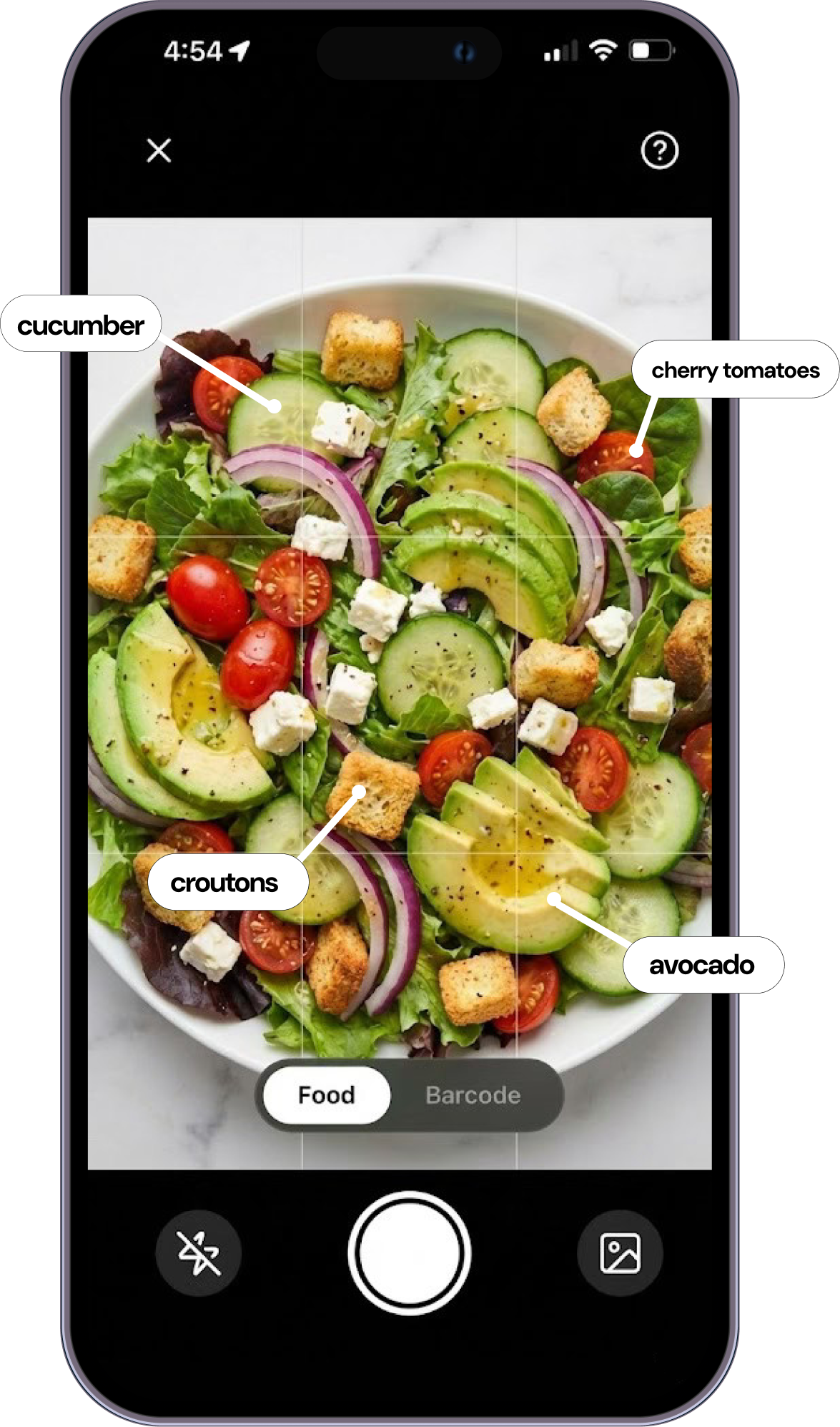
If the main reason you hate tracking is the time it takes, FitverseHub represents the next generation of fitness tech. Instead of relying on manual text searches or barcodes, FitverseHub utilizes advanced multimodal AI models to completely automate the logging process.
You simply snap a photo of your plate. The integrated computer vision instantly recognizes the food items, estimates portion sizes, and calculates the nutritional breakdown.
- The Pros: Near-zero friction. What used to take three minutes now takes three seconds. The backend architecture is built for extreme speed, meaning no lag when analyzing images. It also provides tailored insights based on what it sees.
- The Friction Point: It represents a shift in habit—trusting the AI rather than manually verifying every single gram takes a few days to get used to.
The Final Verdict: Quick Comparison
- FitverseHub
- Best For: Those who absolutely hate manual logging.
- Logging Speed: Instant (AI Photo Recognition).
- MacroFactor
- Best For: Data nerds seeking deep, dynamic coaching algorithms.
- Logging Speed: Slow (Manual tracking).
- Lose It!
- Best For: Beginners looking for a clean, gamified interface.
- Logging Speed: Moderate (Manual + Barcode scanning).
- Cronometer
- Best For: Strict, clinical accuracy with micronutrient tracking.
- Logging Speed: Slow (Manual text entry).
The best app is the one you actually use consistently. If you love digging into data and don't mind the typing, MacroFactor or Cronometer are phenomenal choices. But if you want to drop the mental load of dieting and simply eat, snap, and go, FitverseHub is the clear winner for modern, frictionless tracking.